
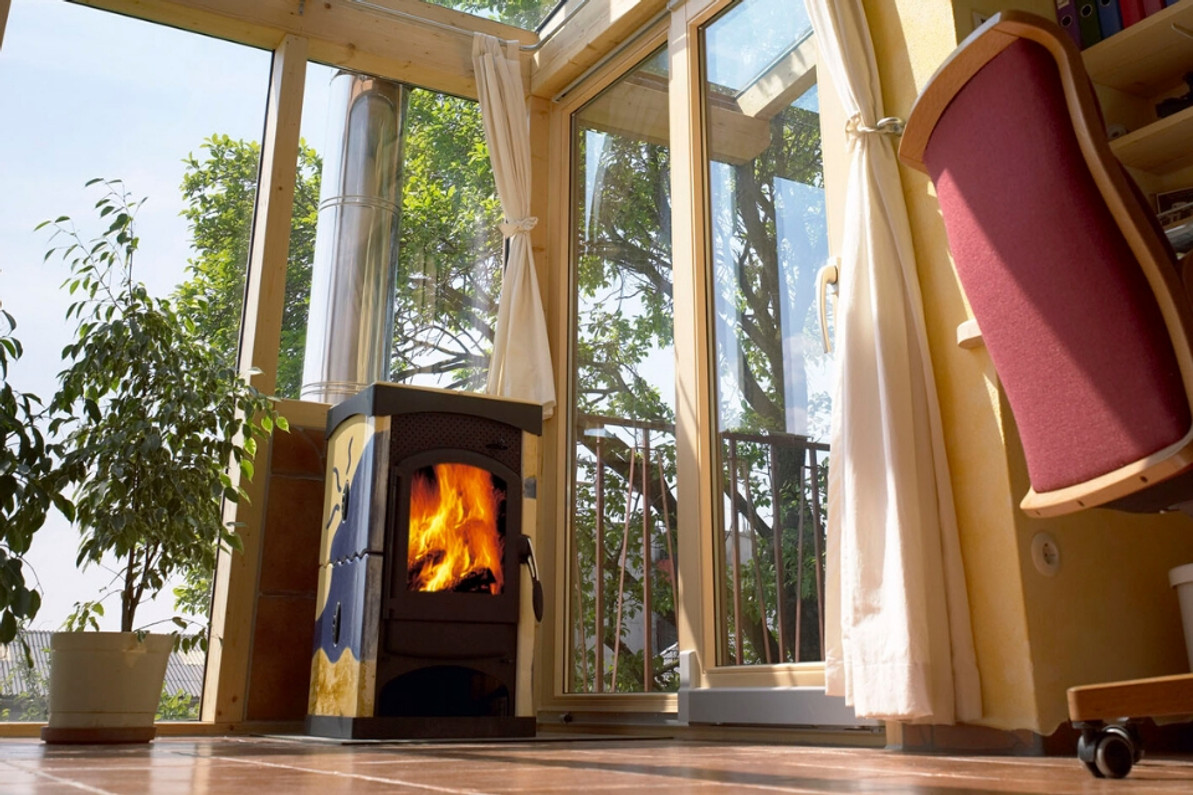
How To Prevent Carbon Monoxide From Log Burner
As winter approaches, many people turn to their home’s heating appliances for warmth. But relatively few people take the time to consider whether doing so is safe. Nationwide Chimney Components looks at the dangers of carbon monoxide and what you can do to prevent the buildup.
Today, the popularity of wood-burning stoves is on the rise. People want heating equipment in their homes that not only provides warmth but also looks great. But just like regular chimney flues, wood-burning stoves can become dangerous when they don’t correctly extract carbon monoxide from your home.
The problem is more widespread than you might think. The Department of Health and Social Care estimates that more than 4,000 people visit the doctor every year because of carbon monoxide poisoning, and a further 50 die from accidental carbon monoxide poisoning. Therefore, you must take steps now to avoid dangerous levels of carbon monoxide injuries in the future.
Why CO Is So Dangerous
Carbon monoxide (CO) differs from carbon dioxide, which is exhaled. The molecule has a strong affinity for haemoglobin in our blood, the protein that binds oxygen and transports it to all our cells. When CO enters our system, it binds to our red blood cells, preventing them from picking up the oxygen we need to survive. If enough CO enters the blood, our body can no longer supply sufficient energy to its cells, and we die.
Fortunately, most people don’t experience extreme CO poisoning in their homes. Their heating systems don’t emit enough gas. However, errant emissions can still make people feel pretty sick. Symptoms of “mild” carbon monoxide exposure include generalised depression, symptoms similar to the common cold and flu, and persistent, unexplained exhaustion.
Strangely, CO poisoning is on the rise. The Department of Health and Social Care believes the reason could be changes in home design. Energy-saving standards mean that modern properties are almost airtight. Thus, carbon monoxide from heating systems does not dissipate into the environment quickly and tends to accumulate.
At the same time, the lack of draftiness means less fresh oxygen enters the home. As a result, heating systems don’t burn as cleanly, so harmful byproducts, like CO, build up more.
The trend towards installing modern chimney flues in old chimneys is also a problem. Modern heating devices, such as wood burners, work optimally only when connected to the outside via a vent with the right proportions and a suitable chimney cowl for efficient ventilation and protection. But older chimneys may not suffice, again leading to the build-up of toxic gases in the home.
So, how do you avoid it if you have a wood-burning stove or chimney flue in your home?
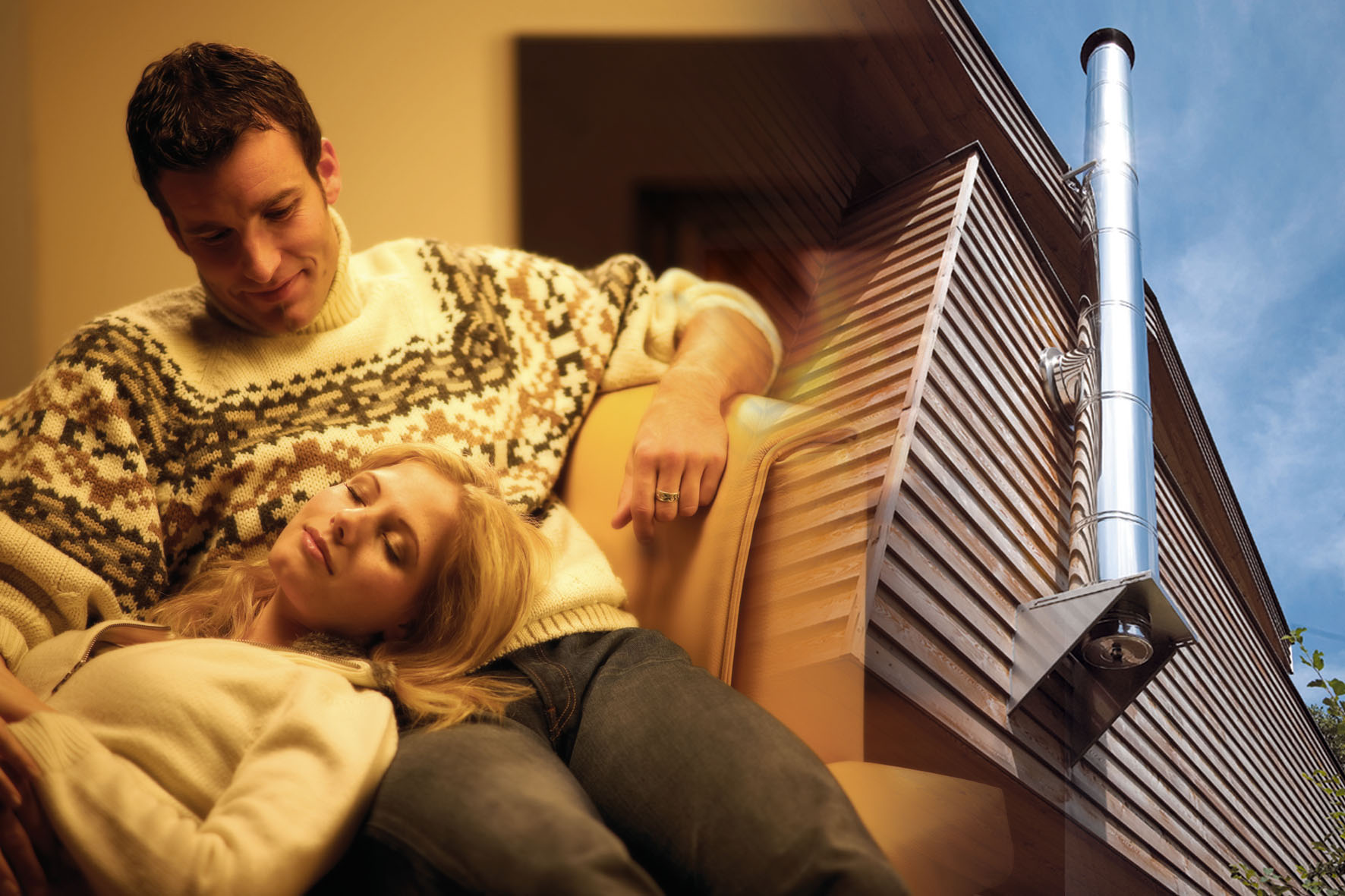
Clean Out Your Wood-Burning Stove Or Flue
Both wood-burning stoves and other non-electric home heating solutions emit carbon monoxide and require a flue or chimney to vent byproducts out of the home and into the atmosphere. Homeowners get into trouble when they allow these byproducts to leak back into the house, which can lead to carbon monoxide leaks. As wood burns, for instance, it gives off soot and other gases, including CO. Most of these particles escape, but some wind up coating the inside of the flue. Therefore, flues and chimneys leading from wood-burning stoves should not have cracks or seal problems.
Many heating solutions also rely on keeping an open airway between the fire and the outdoors. An unobstructed chimney allows air to circulate freely and lets the heating appliance or wood burner draw in new oxygen to fuel combustion.
If soot builds up too much in the flue or chimney, it can restrict airflow and cause gases to back up. Therefore, it is a good idea to schedule regular chimney or flue-sweeping services based on your appliances’ needs.
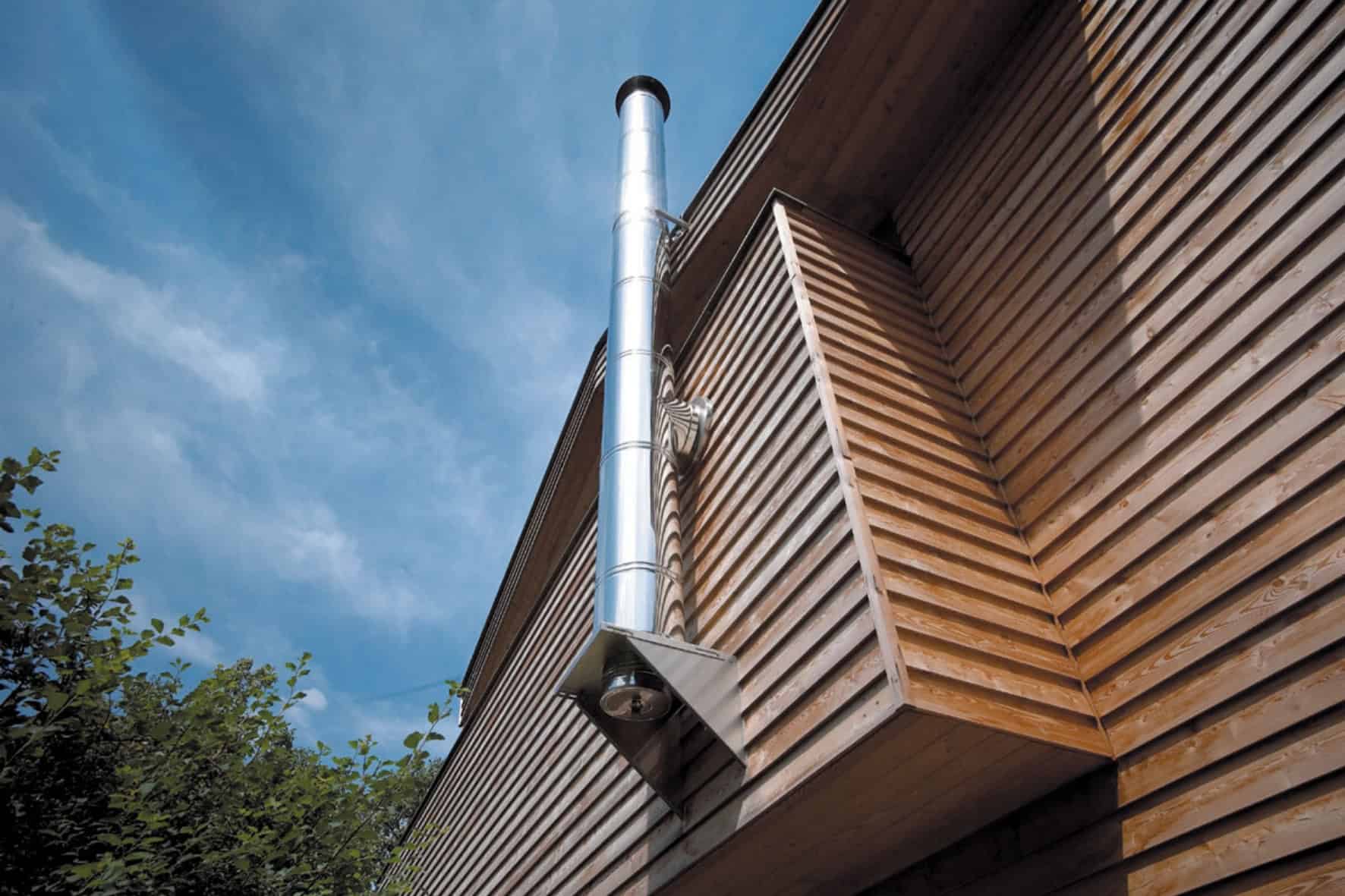
Get Your Flues Inspected Annually
Both wood-burning stoves and other combustion-based heating appliances rely on the correct shape and size of their flues to vent harmful gases effectively. However, cold weather and animal invasions can damage or block these outlets, so capping a chimney to prevent moisture, downdrafts, and pests is often an important additional safeguard against many of the problems discussed above.
Therefore, those who rely on wood burners to heat their homes should arrange an annual flue inspection to ensure it meets specifications and to prevent a carbon monoxide leak. You should also ensure that the flue you already have installed can meet the demands placed on it. An existing chimney may not suffice for a new heating system.
If your wood stove isn’t burning fuel as well as it once did, it could be a sign that soot deposits in the flue are blocking the flow of circulating air. Again, you’ll want to call in professionals who can sweep the flue/chimney and advise you on whether your existing setup is sufficient for your needs.
Just remember, this job is messy. Ideally, you need professionals to do it for you. They remove the dirt and prevent potentially hazardous contaminants from entering your home.
Install A Carbon Monoxide Alarm
Regularly sweeping your chimneys and ensuring your flues meet the correct specifications can help prevent CO problems. But even if everything is clean and installed in accordance with building regulations and specifications, you may still encounter an issue.
And here’s where carbon monoxide alarms can help. These devices produce an audible warning if CO levels rise significantly above background levels, immediately alerting you that your wood burner is emitting carbon monoxide. It is recommended that you place carbon monoxide alarms on every level of your home, near sleeping areas, and test them regularly to ensure they are functioning properly.
Remember, CO is an odourless and colourless gas. You cannot detect it with your senses. Installing a certified carbon monoxide detector is the only way to determine whether you have it.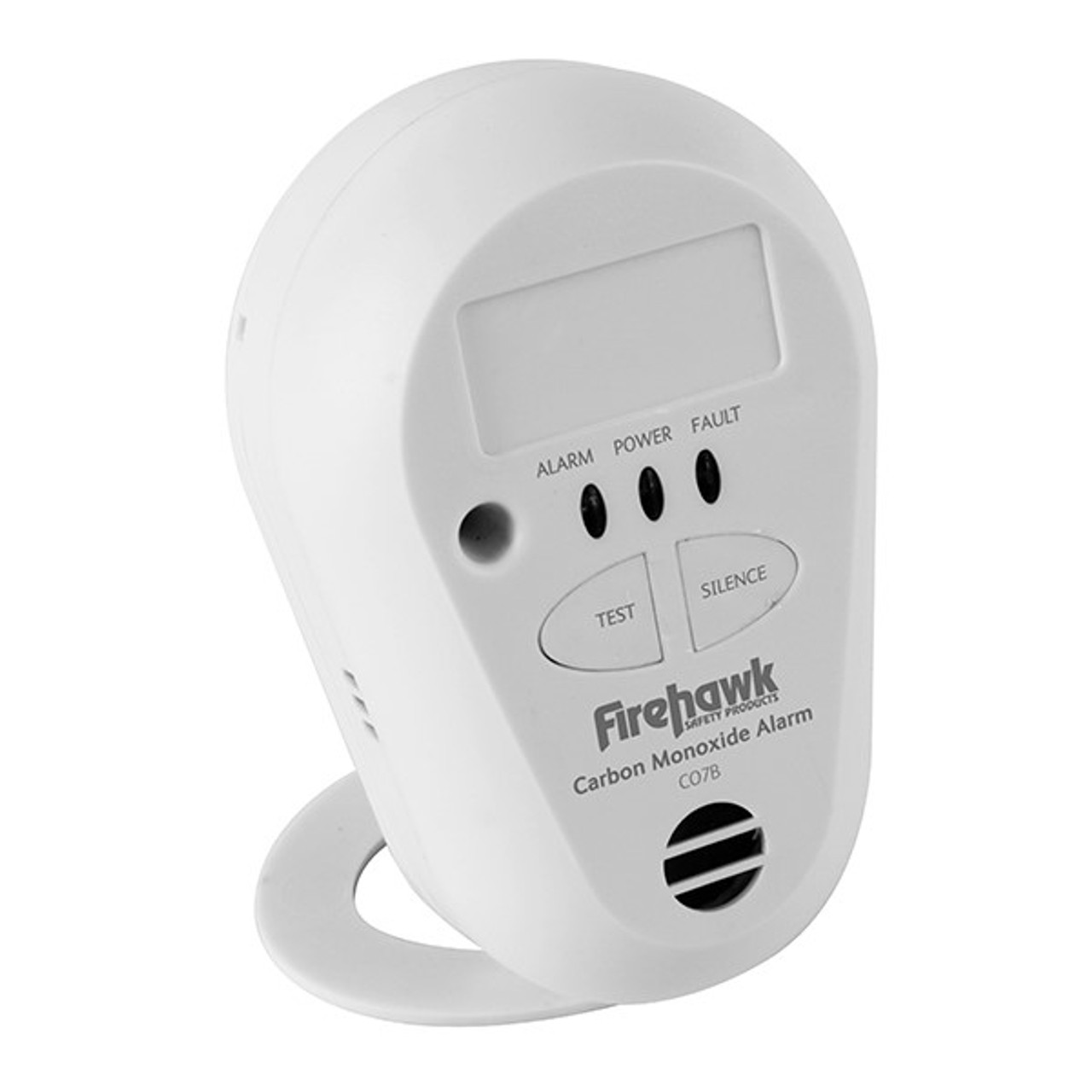
Burn The Correct Fuel
Unlike regular gas heaters, wood-burning stoves use a non-standard fuel source: wood blocks. While it might look stylish, this fuel is problematic because it can vary from season to season (mainly if you collect it yourself). In contrast, natural gas burns more consistently but can produce carbon monoxide when burned incompletely. Therefore, you should use dried wood labelled as suitable for indoor wood burners and ensure your appliance and fuel comply with the latest wood-burning stove regulations for 2025. Avoid using haphazard fuel from garden clippings, as it likely falls outside your wood burner's specifications.
In summary, your most effective defence against CO problems is to operate your multi-fuel stove according to its specifications. Make sure you get regular maintenance on your flues and chimneys. Nationwide Chimney Components can tell you whether your current setup is appropriate.
Recent Posts
-
New Wood Burning Stove Regulations for 2025
There’s a lot of confusion in the UK about wood burner regulations and whether you can still install …Mar 04, 2025 -
Tips for Capping a Chimney: Benefits and Installation
Why cap a chimney? It's to stop moisture, downdrafts and pests. This guide has everything you need t …Jul 02, 2024 -
The New Regulations for Burning Logs In Wood-Burning Stoves
The government has introduced new regulations for customers who burn wood in stoves, which come into …May 25, 2021