

The New Regulations for Burning Logs In Wood-Burning Stoves
The government has introduced new regulations for customers looking to burn wood in stoves, coming into effect in May 2021. The intention is to improve air quality, but it will also change the types of fuel you can use in your log-burning stove. Here's what you need to know about the new legislation and how it will affect your log-burning activities.
Is It Safe To Burn Logs?
News that, from May 2021, the sale of wet wood will be unlawful may surprise some. As a result, dry logs or kiln-dried logs will be the only logs burned in any home appliance, excluding open fires. When burning logs, use dry logs with less than 20% moisture content that produce very little smoke.
Burning logs should also not exceed 30 cm in diameter for wood stoves measuring 600mm deep or more. In addition, the sale of house coal and wet logs for household burning, and logs for household burning, will be unlawful from May 2021.
Wood logs are one of many types of fuel that you can use in wood-burning stoves. From this month, the sale of wet wood and coal will be banned.
Under this new legislation, people can still burn both fuel types as long as they comply with the latest guidelines.
What Are The Best Logs To Burn?
Kiln-dried logs are the best for burning in a wood burner because of the low moisture content. By using seasoned logs, you will enjoy the best stove experience. The type of logs you burn depends on your preferences, so it's up to you! However, burning poor firewood can increase the risk of causing a dangerous chimney fire.
Hardwood and softwood logs are the best types of wood for burning because they produce more heat than other types of trees that don't contain as much natural oil or sap. Oak is an example of a good hardwood log.
Plenty more options are available, too, including elm, ash wood and birch, which all provide a different level of warmth due to their varying density levels.
What Is Wet And Dry Firewood?
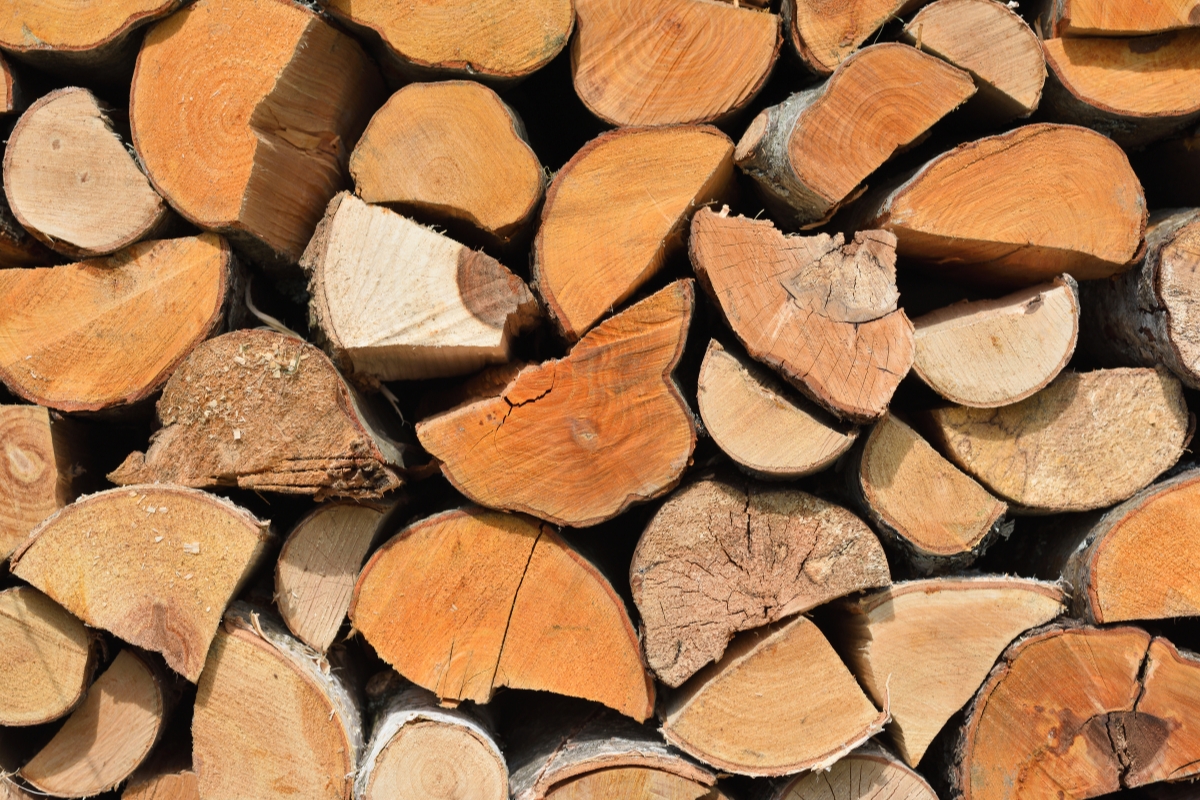
Wet firewood - also known as green or unseasoned wood is wet logs that have been cut from live trees and will burn quickly with a lot of smoke. Unseasoned logs are low-quality firewood with high moisture content.
Dry firewood, also known as seasoned wood fuel, consists of dry logs that are ready to use because they have either been stored for at least six months or dried in the open air. The best time to buy seasoned logs, if you want high-quality logs, is when sap levels are low (generally between January and May).
Under the new legislation about the type of fuel you can use in your wood burner, only kiln-dried logs can be burned due to their low moisture, which means they'll last longer and produce slower-burning wood fuel and a slow-burning fire.
Kiln Dried Logs
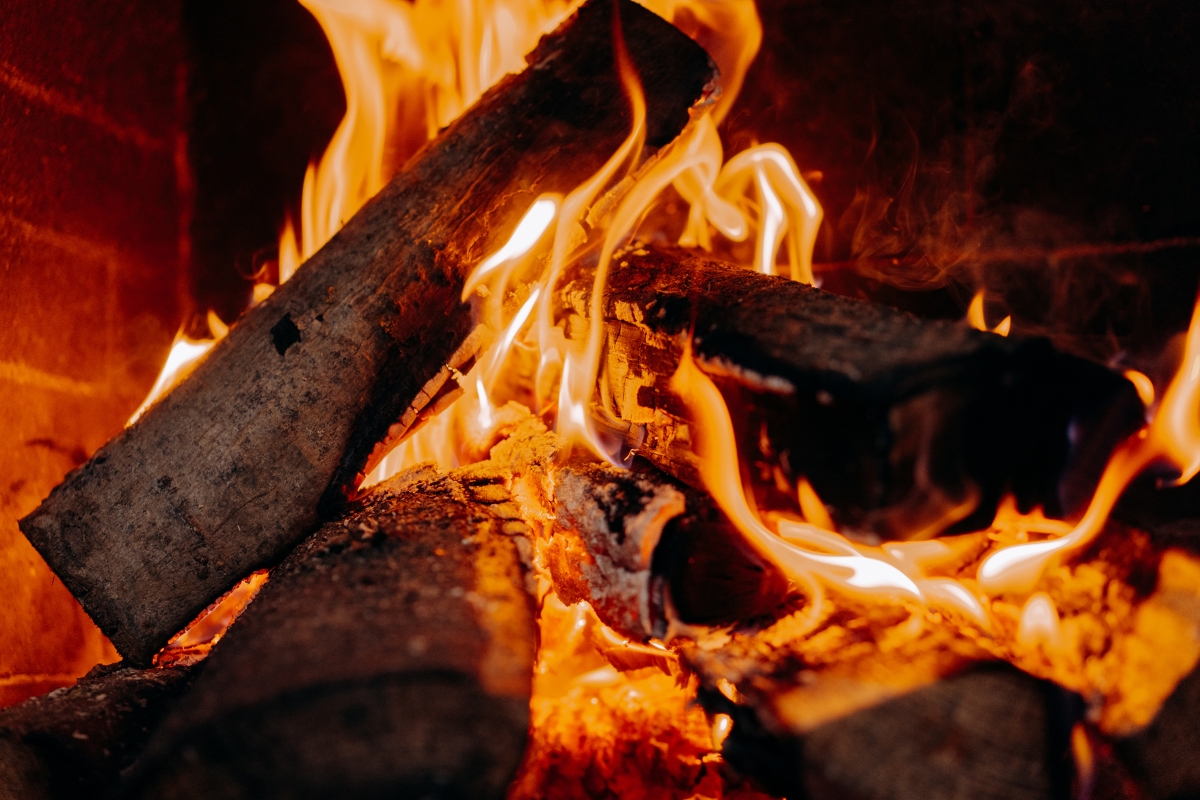
Basically, Ready-to-Burn logs are logs that have been kiln-dried. Kiln-drying removes excess moisture from the wood, which means it can be used with much less chance of rotting or splitting than untreated logs.
Kiln-dried logs may need to be seasoned for longer before you can use them, but most people find they burn more efficiently, produce more heat, and are economical to burn. In addition to prolonging the life of your appliance, the kiln-drying process gives logs a cleaner, more uniform appearance.
Kiln-dried wood is safer to use and much easier and quicker to light because its moisture content has been reduced, making it less likely to cause an excessive flame when burning.
It is recommended that you do not store any kiln-dried hardwood logs outside.
Kiln-drying removes excess moisture from the wood, which means it can be used with much less chance of rotting or splitting than untreated logs.
Kiln-dried logs may need to be seasoned for longer before you can use them, but most people find they burn more efficiently, produce more heat, and are economical to burn. In addition to prolonging your wood burner's life, the kiln-drying process gives logs a cleaner, more uniform appearance.
Kiln-dried wood is safer and much easier and quicker to light because the moisture content has been reduced, making it less likely to cause an excessive flame when burning.
It is recommended that you do not store any kiln-dried logs outside. Here are the top bullet points for using kiln-dried logs:
- Use a stove with multiple air vents to ensure sufficient oxygen for the logs to burn.
- Ensure logs are properly seasoned before burning them in your wood stove. This will help ensure they last longer and produce less smoke when burned.
- Only store kiln-dried logs indoors, as they have been treated, which makes them safe.
- Ready to Burn - Less than 20% moisture
- Can protect your stove's warranty if it is burnt.
The Best Logs To Burn Are:
- Alder - Less than 20% moisture
- Oak - Less than 15% Moisture
- Elm and Ash (seasoned) - less than 25 % moisture
Why Use Heat Logs In A Wood-Burning Stove?
Heat logs, or fire logs, are manufactured logs that are specially treated to burn hotter and longer than untreated logs. You can buy them in large bundles, which makes them a good choice for use with open fires, as they try to mimic the natural process of burning wood logs. Some logs are made from recycled wood waste, which makes them environmentally friendly.
Heat logs are designed to maintain a blue flame and not give off any smoke when burnt in your chosen burner. This means they release fewer toxic fumes, so it's safer for children who like to watch logs burn in the fireplace while you cook dinner on the stovetop next door!
The biggest benefit is that heat logs will allow you to spend less time heating up your home- reducing both your carbon footprint and your energy bills- without sacrificing any of the warmth and ambience you love about your appliance.
To make them last longer, store logs in a dry area, such as an enclosed porch or garage, with plenty of airflow to help prevent mould from forming on the bark.
Potential Dangers From Burning Wet Wood
Burning wet firewood can result in higher-than-normal soot emissions, increasing air pollution and potentially posing a significant health risk. The Ash is also likely to be wetter and contain higher levels of chloride.
This could result in increased localised acid rain and the deposition of residue on nearby buildings or monuments, thereby disturbing their surfaces, and underlines the need for safe and efficient chimney components that help control emissions and protect surrounding areas.
Blockages And Chimney Fires
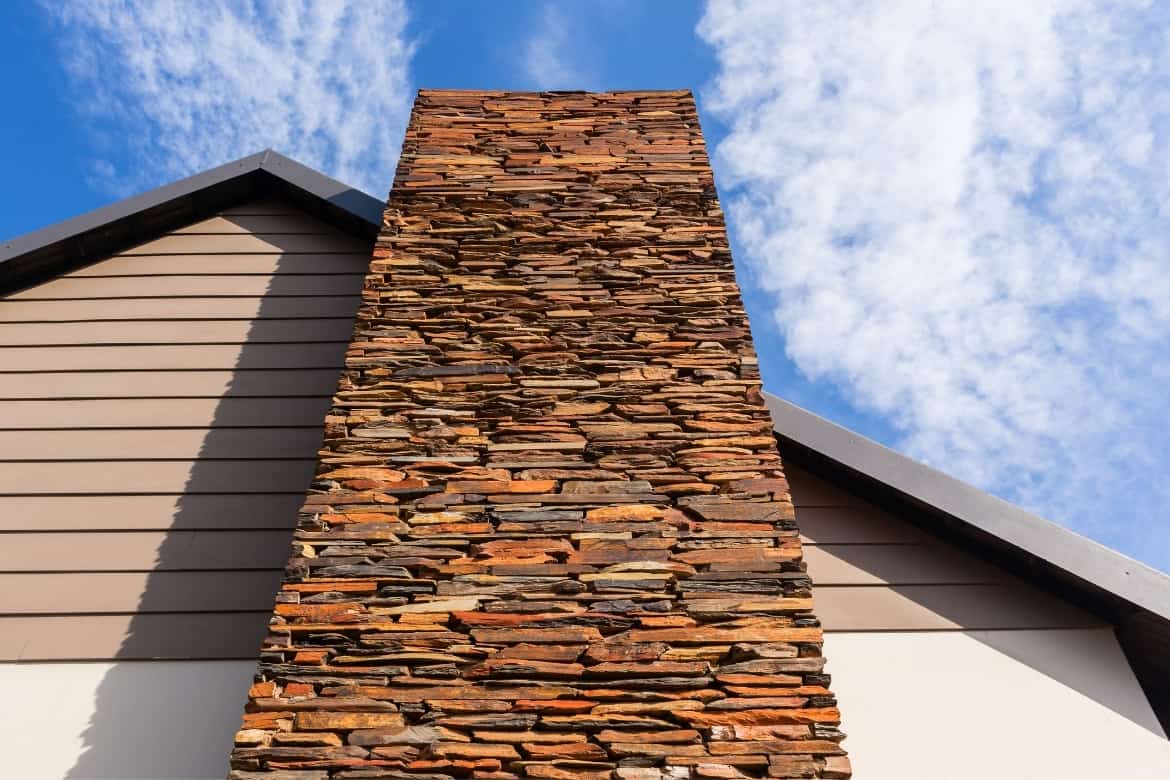
Wet wood causes the chimney to cool, which can block it and lead to a chimney fire. This could lead to property damage or even loss of life, as well as a detrimental effect on air quality in your home. Water vapour combines with other gases to produce a flammable and toxic mix.
If you have children living with asthma, this may trigger an attack due to high levels of carbon monoxide being emitted from the appliance, so understanding how to prevent carbon monoxide from a log burner is crucial for household safety.
Are Log Burners Being Banned?
Log burners and open fires are not being banned. However, the new regulations for burning low-quality firewood in wood-burning stoves will impact how you purchase wood fuel for wood burners.
The key changes are that only dry logs may be burned, and no more than 4 cubic metres of untreated logs may be burned daily. This means you'll need at least six or seven bags worth before your log burner works properly.
You might also need a log store to avoid going outside to get fresh logs. The good news is that these limits do not apply to coal or gas fires, which have no restrictions on how much ash they produce (although these fuels could increase costs).
What Is Defra Saying About Wood That Burns Hotter?
Defra claims burning dry wood fuel produces better heat output and less smoke than burning unseasoned logs, but the higher costs of dry wood may offset this.
So, while you can continue to burn kiln-dried firewood in your log burner after May 2021, there will be no change for coal or gas fires. The changes ahead will greatly affect how much wood fuel you need to heat with.
Recent Posts
-
New Wood Burning Stove Regulations for 2025
There’s a lot of confusion in the UK about wood burner regulations and whether you can still install …Mar 04, 2025 -
Tips for Capping a Chimney: Benefits and Installation
Why cap a chimney? It's to stop moisture, downdrafts and pests. This guide has everything you need t …Jul 02, 2024 -
The New Regulations for Burning Logs In Wood-Burning Stoves
The government has introduced new regulations for customers looking to burn wood in stoves, coming i …May 25, 2021